
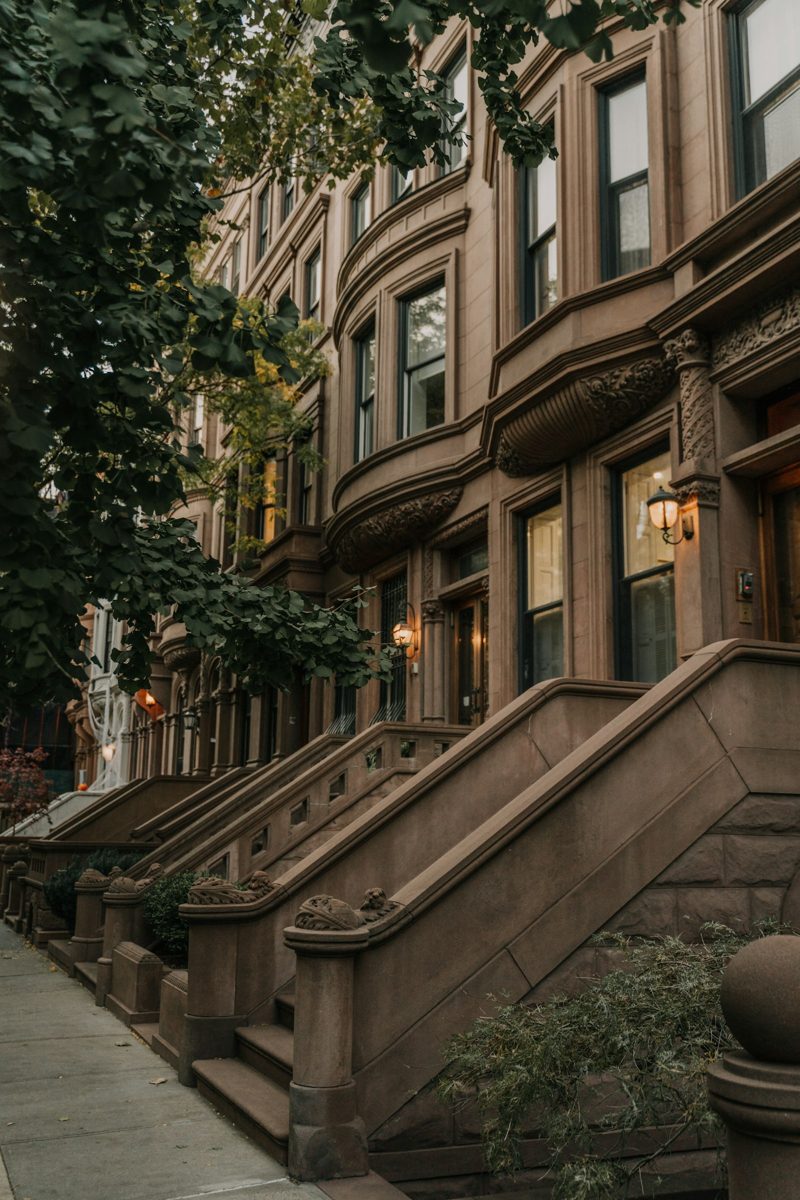
New York City's building-emissions law is now in force. For co-op and condo boards, the question has shifted from "if" to "how much" — and the time to plan is now.
What Local Law 97 Requires
Local Law 97 sets carbon-emissions limits on most buildings larger than 25,000 square feet, with caps that tighten over successive compliance periods. Buildings that exceed their limit face annual penalties tied to every metric ton of emissions over the threshold, so understanding where your building stands is the first step.
Where the Costs Come From
Compliance spending tends to fall into a few predictable buckets. Building them into a multi-year capital plan — rather than reacting year to year — is what keeps assessments manageable:
- Benchmarking & audits — energy benchmarking, ASHRAE audits, and emissions modeling to establish a baseline
- Retrofits — lighting, controls, heating and cooling upgrades, and envelope improvements that reduce emissions
- Penalties — annual fees for any emissions over the cap, which grow as limits tighten
- Reporting — ongoing filings and documentation to demonstrate compliance
Building a Realistic Budget
The most effective boards treat compliance as a phased investment. Prioritizing lower-cost, high-impact measures first often reduces emissions enough to avoid early penalties while spreading larger capital work across multiple years — protecting reserves and giving shareholders predictability.
How Empire State Helps
We help boards benchmark their buildings, model penalty exposure, and sequence upgrades into a capital plan that balances compliance with financial reality. If you're not sure where your building stands, that's exactly where we start.
This post is intended as general information and does not constitute professional, tax, or legal advice. For guidance specific to your building, reach out to our team.